65-Hour Adaptive and Trauma-Informed Yoga Teacher Training
Move Through Yoga's Next Adaptive Yoga Teacher Training Starts February 2026!
We’re excited to host our second Adaptive and Trauma-Informed Yoga Teacher Training at Root to Rise Yoga in Denver Feb. 5-22, and we’d love to have you join us! No prior yoga experience is required. Read more for details on dates, format, tuition, and immediate job opportunities after certification.
Schedule
Week 1
- Thu, Feb 5 — 6:00–9:00pm (Remote)
- Fri, Feb 6 — 5:30–9:00pm (Remote)
- Sat, Feb 7 — 9:00am–5:00pm (In person – Root to Rise)
- Sun, Feb 8 — 9:00am–3:00pm (In person – Root to Rise)
Week 2
- Thu, Feb 19 — 6:00–9:00pm (Remote)
- Fri, Feb 20 — 5:30–9:00pm (TBD)
- Sat, Feb 21 — 9:00am–5:00pm (In person – Root to Rise)
- Sun, Feb 22 — 9:00am–3:00pm (In person – Root to Rise)
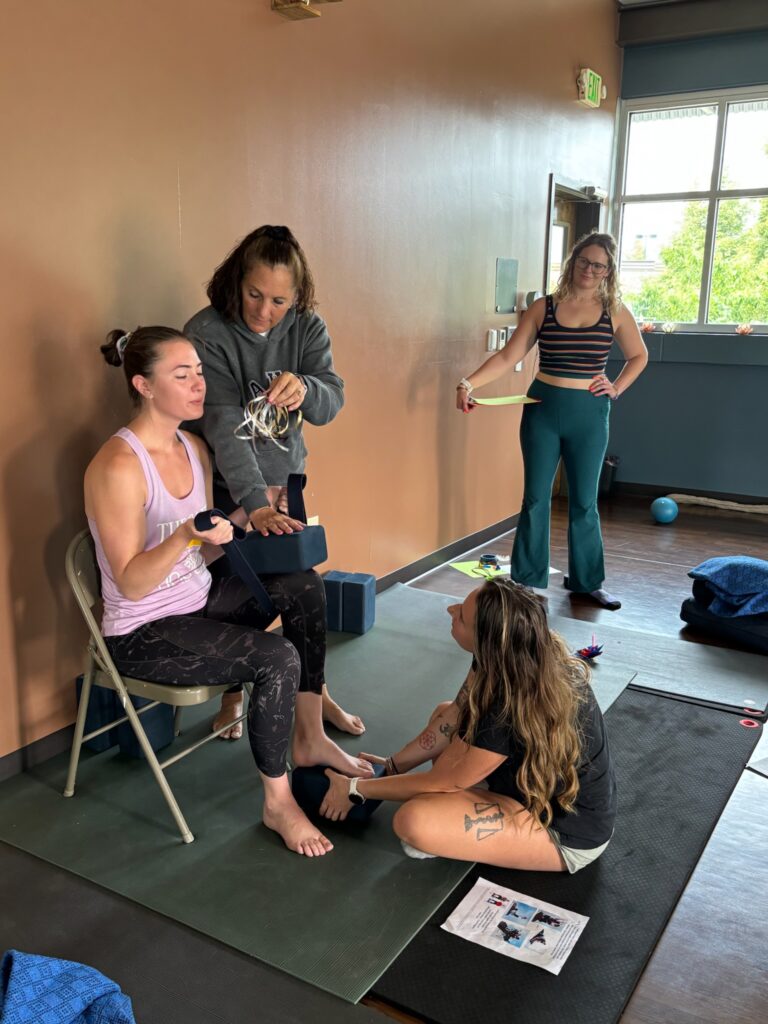
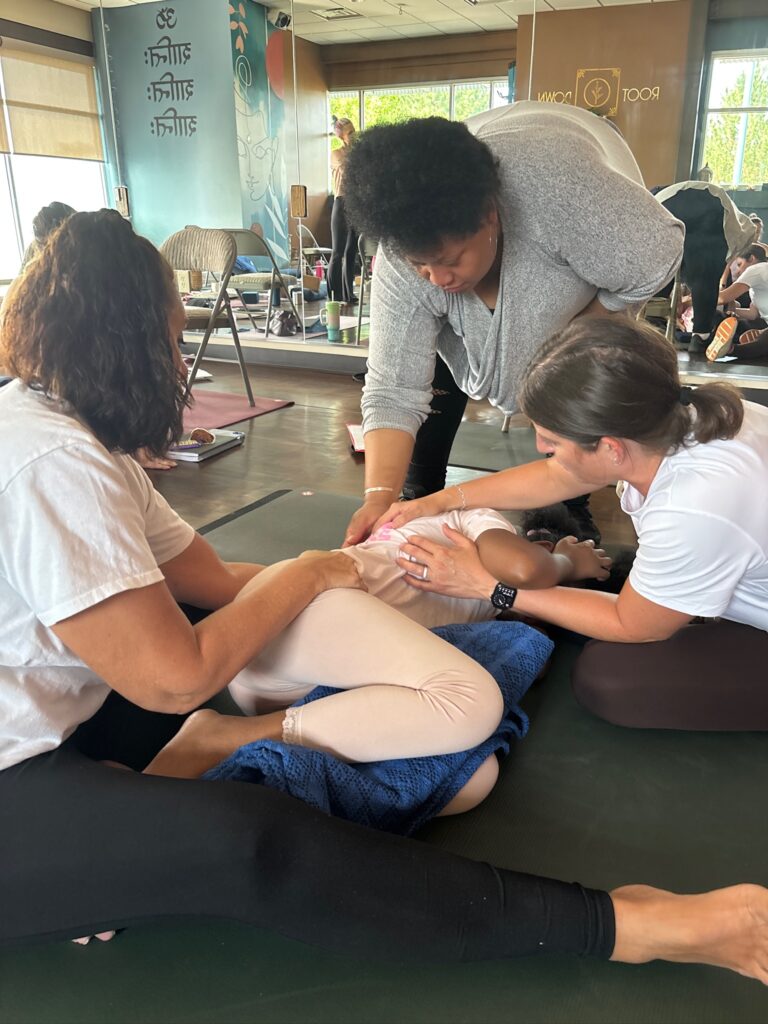
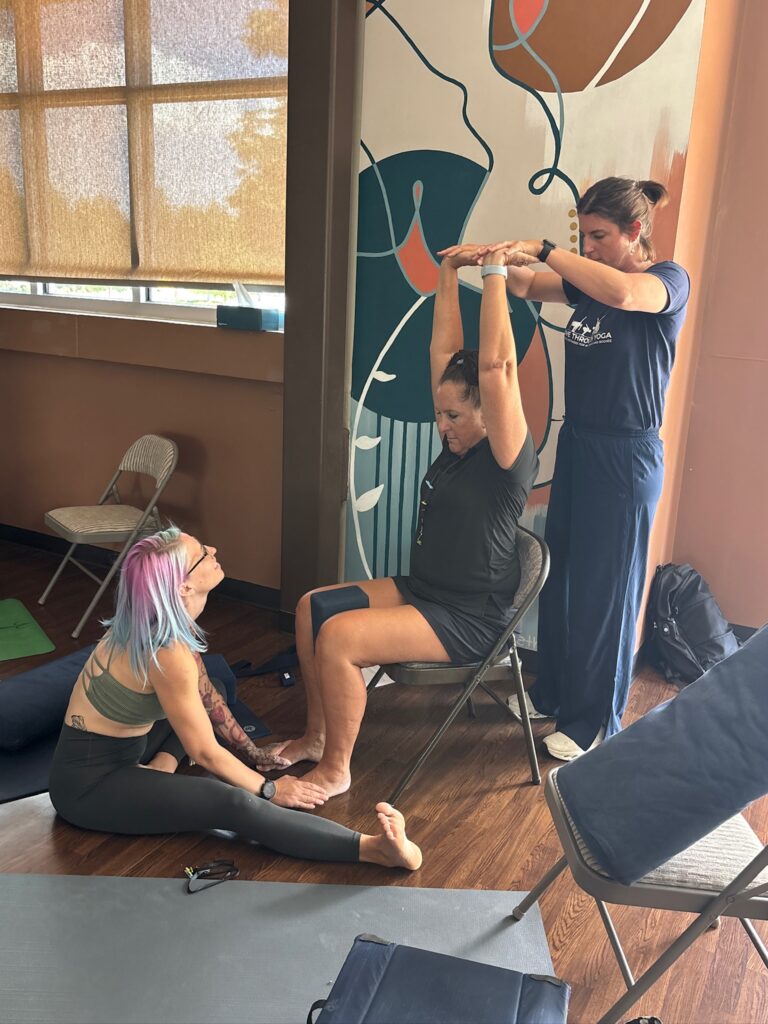
Inside the Classroom
Commitments
Additional Requirements for Certification
- Observation of a MTY class
- Assisting hours
- A final practical “test-out”
These components ensure every trainee completes the program feeling confident, skilled, and prepared to teach in real trauma-informed yoga environments.
Format and Location
This hybrid training blends online learning with hands-on, in-person practice:
- Remote evening sessions: methodology, trauma-conscious care, and nervous system science
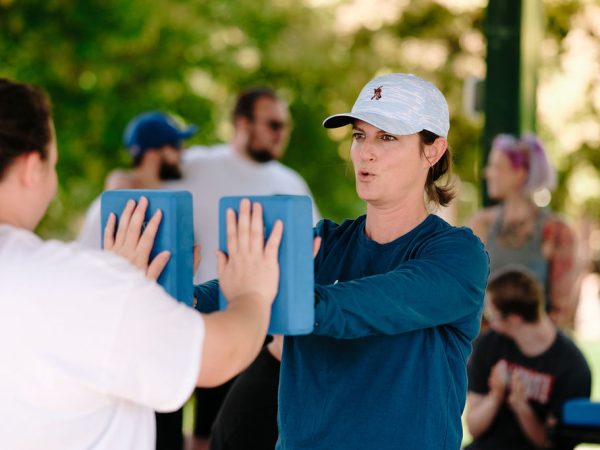
- In-person weekends: adaptive movement labs, sequencing, prop integration, and collaborative teaching practice
Tuition
The full 65-hour Yoga Alliance–approved training is $995.
Payment plans and a limited number of scholarships are available.
Start making the investment back upon graduation! We have immediate job positions after audition.
If you’d like to join our Adaptive Yoga Teacher Training February cohort or have questions or hesitations, please reach out via the contact form below. We’d love to hear from you!
Testimonials
Hear from three former students who are now teaching adaptive yoga classes with Move Through Yoga in Denver!
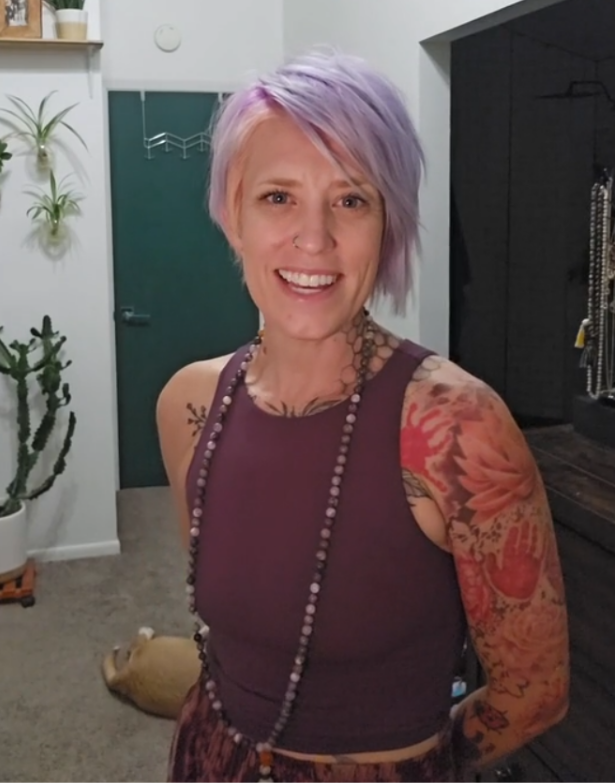
Brenna
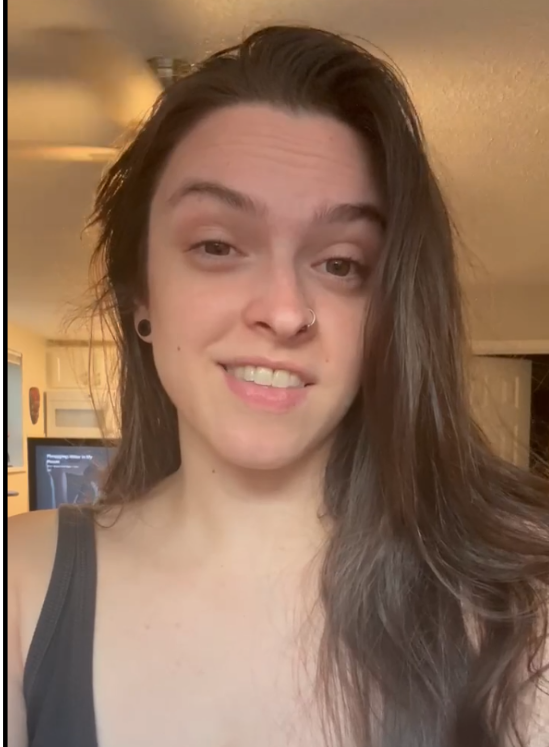
Listen to Brenna’s testimonial as she reflects on how Move Through Yoga’s teacher training brought her back to the heart of yoga — ahimsa, or non-violence. Through adaptive yoga, she learned that practicing with gentleness, curiosity, and care allows every student to be seen and supported. Brenna beautifully shares how this training reshaped her understanding of inclusion, reminding us that every body and every mind belongs on the mat.
Kelsey
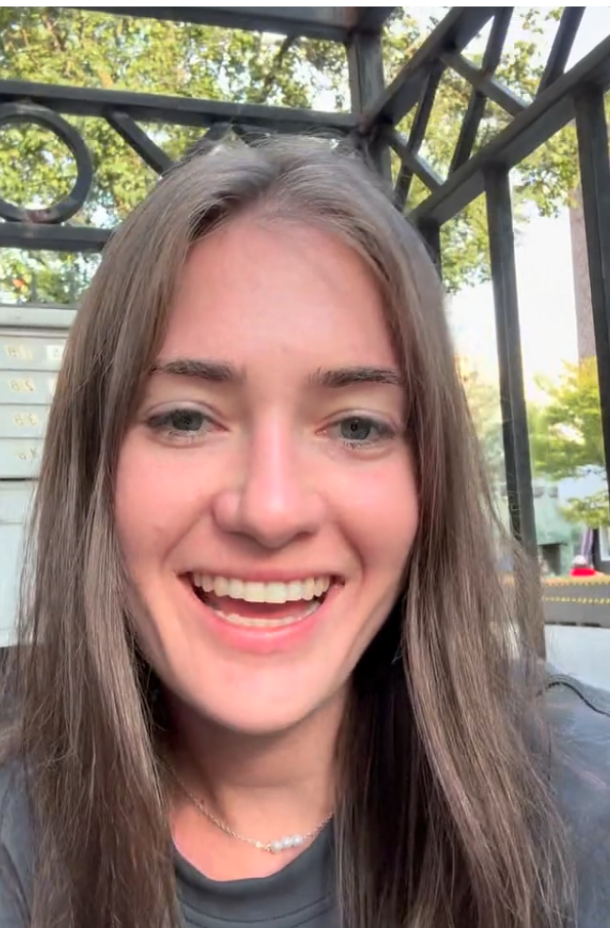
Listen to Kelsey’s testimonial as she reflects on witnessing, firsthand, how participants with disabilities left Move Through Yoga’s adaptive yoga experience feeling worthy and filled with dignity. Through this training, she learned how intentional movement and compassionate teaching can foster that same sense of belonging — and how she can now recreate that feeling for her own students.
Rachel
Listen to Rachel’s testimonial as she shares her journey through Move Through Yoga’s teacher training. What began with uncertainty about teaching individuals who aren’t typical practitioners evolved into a deep sense of confidence and clarity about the why behind adaptive yoga — and her role in bringing it to life. Rachel reminds us that we are all seeking to be seen and connected, and there’s no better way to cultivate that connection than through adaptive yoga — a practice that meets every individual exactly where they are.
FAQs
After certification, how soon can I start teaching, and what does the audition process involve?
Many graduates begin teaching with MTY—subbing, co-teaching, or stepping into permanent roles—within just a few weeks of completing their trauma-informed teacher training. The pace depends on school needs and your schedule. The audition is more of a placement process than a traditional audition and includes:
• A teaching demo
• A brief alignment conversation about schedule, populations, and location preferences, especially for those teaching in Denver-area schools
What is the pay rate, and does it vary across programs?
MTY instructors are independent contractors. Current rates are:
• $35 per 50-minute class for assisting
• $50 per 50-minute class for lead teaching
Lead teachers are required to complete a class report within 48 hours of teaching a class, and receive mileage reimbursement for school-based classes.
There’s no minimum weekly commitment—you can teach one class or several—but we do ask that teachers commit to a full module (usually 4–8 weeks) for consistency, which is essential in adaptive and trauma-informed yoga environments.
Which areas currently have the biggest need?
Our highest teaching needs are in:
• Denver Public Schools (DPS)
• DSST network schools
• Aurora Public Schools (APS)
We are also actively expanding or preparing to expand in:
• Jeffco
• Douglas County
• Aurora
If you're pursuing teacher training in Denver with an interest in school-based adaptive yoga, these districts offer strong opportunities.
Are most roles during school hours, after school, or both?
Most teaching roles take place during typical school hours—generally late morning through early afternoon. Day program classes also fall within the standard workday.
In January, we're beginning to offer community adaptive yoga classes on Sundays at several local studios, which may be a great option if you're seeking weekend opportunities.
How many observation and assisting hours are required?
As part of the 65-hour adaptive yoga teacher training, trainees complete a mix of observation and assisting/co-teaching hours. These are flexible and can be scheduled around your availability.
You’ll need 3 hours of class observation and 8 hours of assisting before testing out as a lead teacher. Most trainees observe at least one or two classes during the training—it’s one of the best ways to see the principles of adaptive and trauma-informed yoga in action.
MTY provides a list of approved classes, studios, and instructors in Denver and beyond where you can complete your hours. We’ll work with you to find placements that are convenient and aligned with your schedule and goals.
Why do you require 3 hours of observation?
Observing three different Move Through Yoga classes gives you a fuller picture of our work. Even if one class style or population isn’t your preference, another might be a great fit — for example, you may not enjoy teaching adults but find that you love working with young children.
Think of it like a medical student shadowing different types of surgeons. By observing a variety of classes, you get to see who we serve, how we teach, and how we adapt our approach for different ages, abilities, and settings.What does the practical test-out include, and when does it happen?
The practical test-out is a supported teaching assessment designed to help you step confidently into leading adaptive yoga classes.
Part One:
During the final day of your trauma-informed teacher training, you’ll teach a 20–30 minute adaptive sequence to your peers. We look for safe and creative adaptations, effective prop use, and trauma-conscious cueing. You’ll also respond to a few hypothetical teaching scenarios to show how you apply what you’ve learned.
Part Two:
Your official test-out happens separately, after all coursework and hours are complete. You’ll lead one of the classes you’ve been assisting, with your trainer present. You’ll manage the full class experience—teaching the sequence, guiding assistants, and ensuring every student’s needs are supported.
This final assessment is scheduled individually (not during the last training weekend) to allow for flexibility and readiness, especially for trainees completing hours in Denver or other locations.
Is there a deadline for finishing all hours and the test-out?
Most trainees complete their assisting, observation hours, and final test-out within 2–3 months after the last weekend of the adaptive yoga teacher training. We set a clear completion window, but we’re flexible. Our goal is to support you through a sustainable learning process.
Are there mentorship or continuing education options once we start teaching?
Absolutely. MTY is deeply committed to ongoing support for adaptive and trauma-informed yoga teachers. You’ll have access to:
• Mentorship and regular check-ins with Stefanie, lead teachers, and past graduates
• Team trainings and continuing education sessions
• A collaborative, supportive instructor community
Why don’t we offer this training solely online?
Because adaptive yoga is highly responsive and individualized, in-person training is essential. Practicing on each other, observing live classes, and learning the nuances of consent, touch, and student-specific accommodations simply can’t be replicated through screens. These real-time experiences are a core part of our adaptive yoga teacher training and are invaluable for developing confident, trauma-informed teachers.
How is MTY adaptive yoga different from chair yoga?
While we use chairs as one supportive option, MTY’s approach goes beyond traditional chair yoga. In our adaptive yoga classes, students may practice in chairs, standing, or on the floor. If a student wants to explore a pose in a different orientation—for example, moving from a chair variation to a floor-based version—we meet them there. The practice is dynamic, flexible, and designed to honor each student’s needs and preferences.
Why assist MTY classes instead of classes back in your hometown?
Assisting MTY classes allows our staff to support you directly throughout the learning process. If questions come up, you’ll have experienced teachers to guide you in real time, so you’re not left relearning things on your own later.
You’ll also be working with a consistent pool of students who are ready to learn, which creates a supportive and familiar teaching environment. Our teachers are a close-knit team that truly wants to help you succeed, and Stefanie will serve as your mentor as you grow into your teaching role.
YOUR JOURNEY TO CONNECTION
Contact us to learn more about our
adaptive teacher training
Phone
(970) 445-4883
info@movethroughyoga.org